Settle your stomach
Having a tummy ache, indigestion, or an upset stomach, can be painful and uncomfortable.
Here are some ways you can help settle your stomach when indigestion is the cause.

For people who experience frequent heartburn that noticeably disrupts your life, proton pump inhibitor medications (or PPIs) may be helpful.1 In this article, we go through some frequently asked questions about PPIs and how they work to relieve frequent heartburn.
A PPI is a type of medication that can be used to relieve the symptoms of gastro-oesophageal reflux.1 Common symptoms of reflux include heartburn (a burning sensation felt behind the breastbone) as well as regurgitation, which is when your stomach contents flow back up into throat or mouth.1
For mild symptoms that only occur occasionally, changes to diet and lifestyle are usually enough to get relief.1 For more troublesome symptoms however, medication may be needed in addition to diet and lifestyle changes.1 PPIs are considered an effective medication for relieving symptoms of reflux.1-3
No, Gaviscon is not a PPI – it’s an alginate-based therapy.
A proton pump is a type of enzyme found in the lining of the stomach, which is responsible for secreting gastric acid.1,5 Gastric acid causes the discomfort of heartburn when it is refluxed into the oesophagus.2
A proton pump inhibitor – as the name suggests – relieves acid reflux by binding to and blocking these proton pumps, essentially stopping them from producing as much gastric acid.1,3,5 The stomach therefore becomes less acidic, which helps reduce the symptoms of heartburn and also allows your oesophagus to heal from any inflammation.1,3
Once a PPI acts on a proton pump, the binding is irreversible and acid secretion will only be restored when new proton pumps are created by the body.1,3 This means that the beneficial effects of PPIs are usually long-lasting.1,3
PPIs are usually taken once a day however your doctor may recommend a different dosing regimen based on your specific needs.1-3
It’s also recommended to take it consistently at about the same time each day, whenever your symptoms are worse.1 Keeping a regular time for taking your PPI may help you remember to take it.
Be aware that PPIs may take a few days to act on all proton pumps and reach their full effect.1,3 Over-the-counter PPIs should also not be taken for more than 2 weeks, unless otherwise advised by your doctor.1.3
In general, people tolerate PPIs well. However, some people may experience side effects such as headache, nausea, vomiting, stomach pain, constipation and/or wind. You should tell your doctor or pharmacist if you notice these symptoms and they worry you.6
It's important to tell your pharmacist or doctor if you have any medical conditions before starting a PPI as they may not be suitable for you.6
Are you wondering what’s the difference between antacids and PPIs? While PPIs stop gastric acid from being made and released, an antacid simply neutralises the acid that has already been released into the stomach.1 Both work to make the stomach contents less acidic, but the main difference is that the PPI acts on gastric acid at the source of its production.
H2 blockers are another treatment for reflux that work by reducing the amount of acid your stomach makes.6
Always read the label. Use only as directed. If symptoms persist, see your healthcare professional. Reckitt Benckiser, Auckland. TAPS NP19476. RB-M-100859.
References:
First published: 7th May 2021
Last updated: 22nd January 2024
Having a tummy ache, indigestion, or an upset stomach, can be painful and uncomfortable.
Here are some ways you can help settle your stomach when indigestion is the cause.
Ever noticed that the symptoms of heartburn and indigestion feel worse after eating? What about when you have certain foods or drinks? Read on to find out what foods and drinks might be triggering your symptoms, and what you can do about it!


The habits causing your acid reflux at night
Have you been suffering from reflux at night or in the morning? If so, it could be a good idea to think about a new night-time routine. The right routine can help you avoid the pain and discomfort of experiencing acid reflux in your sleep, and have you waking up more refreshed and ready for the day ahead.

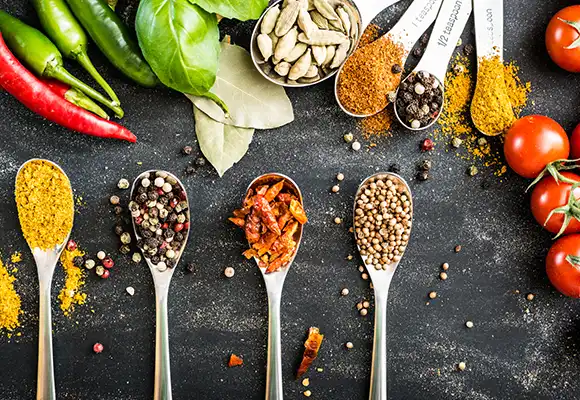
Burning feeling in your stomach? Here’s why your stomach might hurt after eating spicy food.
From flavourful vindaloo to fiery pasta arrabiata, so many of us love our spicy foods. But stomach discomfort and heartburn? Not so much. Find out why you may be experiencing stomach aches or acid reflux after spicy food, plus some tips to help minimise any pain and discomfort.


Dual-acting formula
Heartburn and indigestion

Relief on the go

View Product
Dual-acting formula
Heartburn and indigestion
Relief on the go

View Product
Dual-acting formula
Heartburn and indigestion
Starts to soothe from just 4 mins*

View Product